Rare Lincoln Wheat Penny Imagine discovering that a small coin sitting in your pocket or an old jar at home could be worth millions of dollars. Stories about a rare Lincoln Wheat Penny valued at around $11 million have recently sparked massive interest among coin collectors and everyday people alike. While most pennies are only worth their face value, certain rare coins have become extremely valuable due to their history, rarity, and unique minting errors.
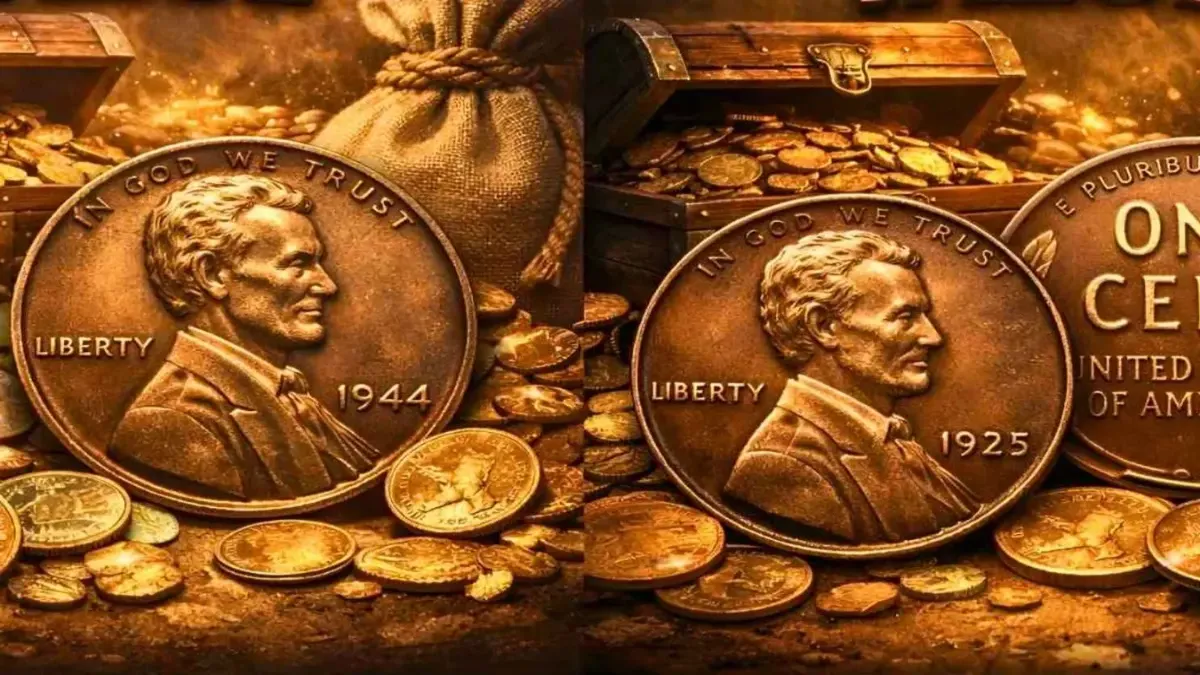
The Lincoln Wheat Penny was first introduced in 1909 to honor the 100th birth anniversary of Abraham Lincoln. The coin features Lincoln’s portrait on the front and two wheat stalks on the back, which is why it became widely known as the “Wheat Penny.”
Even though these coins stopped being produced in 1958, millions were circulated across the United States. Because of that wide circulation, collectors believe some rare versions might still be hiding in everyday coin collections.
The History Behind the Lincoln Wheat Penny
The Lincoln Wheat Penny holds an important place in American coin history. It was the first U.S. coin to feature a real historical figure instead of symbolic imagery. The design was created by artist Victor David Brenner, whose initials “VDB” appeared on some early versions of the coin.
From 1909 to 1958, billions of these pennies were minted. Most of them were made from copper, but during certain periods, changes in metal composition and minting processes led to rare variations. These rare versions are the ones collectors search for today.
Coins from this era often attract attention because they represent an important time in U.S. history, and well-preserved pieces can command impressive prices in auctions.
Why Some Wheat Pennies Are Worth Millions
Not every Wheat Penny is valuable, but certain factors can dramatically increase a coin’s worth. Rarity is one of the biggest reasons. If only a small number of coins were produced or if many were lost over time, the remaining examples become more valuable.
Another major factor is minting errors. When a mistake occurs during production—such as using the wrong metal or misprinting the design—the resulting coins become unique collector items.
Condition also plays a major role. Coins that have been preserved in excellent condition, with minimal wear and clear details, are usually worth much more than those that are heavily circulated.
These combined factors are what create the possibility of a coin being valued in the millions.
Famous Rare Lincoln Wheat Pennies
Several Wheat Penny varieties are especially famous among collectors. Some of these coins have sold for remarkable amounts in auctions.
| Rare Wheat Penny |
Special Feature |
Estimated Collector Value |
| 1943 Bronze Penny |
Made from copper instead of steel |
Up to $1,000,000+ |
| 1944 Steel Penny |
Steel used instead of copper |
$75,000 – $100,000+ |
| 1909-S VDB Penny |
Very limited mintage with designer initials |
$50,000+ |
| 1955 Double Die Penny |
Visible doubling on letters and numbers |
$10,000+ |
These rare variations show how a small minting mistake or limited production run can transform an ordinary coin into a collector’s dream.
Could This Valuable Penny Still Exist in Circulation?
Many collectors believe that rare Wheat Pennies may still be hidden in everyday places. Old jars filled with coins, inherited collections, or forgotten drawers sometimes reveal surprising discoveries.
Because billions of pennies were produced over several decades, it is possible that some valuable pieces slipped through the cracks and were never identified. Occasionally, people have discovered rare coins in pocket change or family collections decades after they were minted.
This possibility keeps the excitement alive among collectors and encourages people to examine old coins more carefully.
How to Identify a Rare Wheat Penny
If you happen to find a Wheat Penny, there are a few simple steps you can take to determine whether it might be valuable. Start by checking the year printed on the coin, especially dates such as 1909, 1914, 1943, 1944, and 1955.
Look closely at the lettering and numbers. If you notice unusual doubling or errors in the design, the coin could be a rare variety. For 1943 pennies, a magnet test can help—steel coins will stick to a magnet, while copper ones will not.
If a coin appears unusual or rare, the best step is to have it examined by a professional coin expert or grading service. They can confirm its authenticity and determine its potential market value.
Final Thoughts
The story of the $11 million Lincoln Wheat Penny highlights the fascinating world of coin collecting. While not every penny is valuable, certain rare varieties have proven to be worth astonishing amounts due to their rarity and historical importance.
Checking old coins may seem like a small task, but it can sometimes lead to an incredible discovery. Whether you are a serious collector or simply curious about the coins in your pocket, examining old pennies might reveal a hidden treasure waiting to be found.
1. What is a Lincoln Wheat Penny?
A Lincoln Wheat Penny is a U.S. one-cent coin produced from 1909 to 1958 that features Abraham Lincoln on the front and wheat stalks on the reverse side.
2. Why are some Wheat Pennies so valuable?
Certain pennies become valuable due to rare minting errors, limited production numbers, and excellent coin condition.
3. Is the $11 million Wheat Penny real?
Some headlines claim a value of $11 million, but confirmed auction prices are generally lower. However, extremely rare coins can still sell for very high amounts.
4. Where can rare Wheat Pennies be found?
They may appear in old coin collections, inherited jars of change, flea markets, or occasionally in everyday circulation.
 Skip to content