
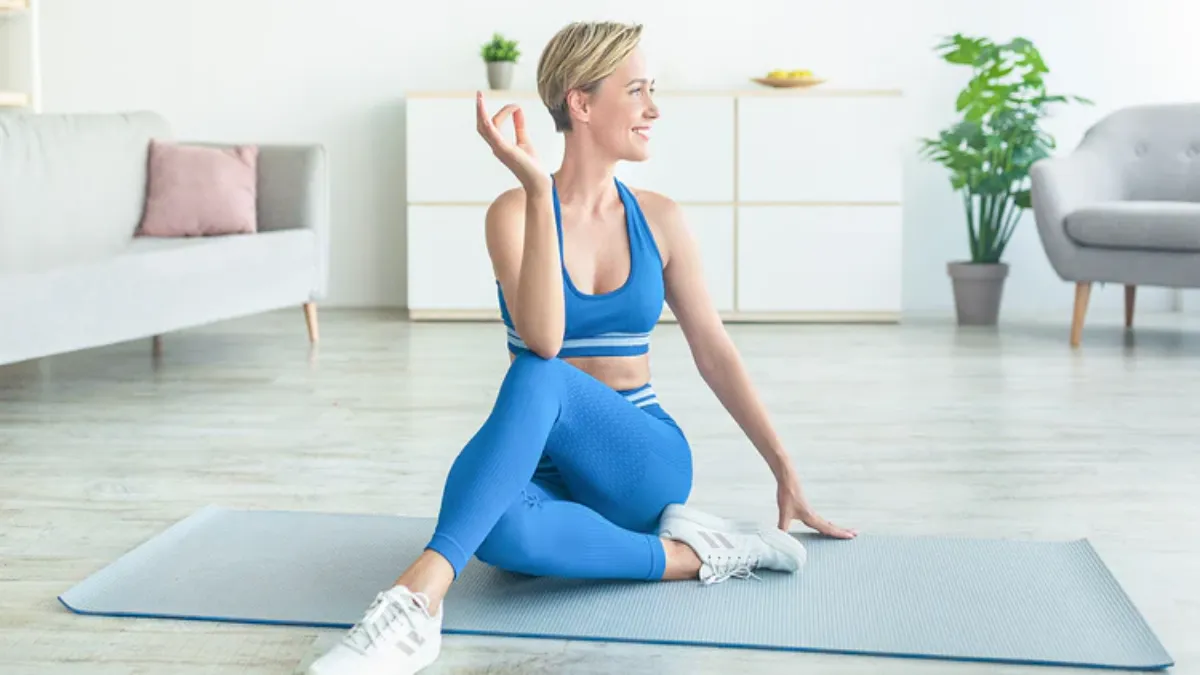
4 Yoga Poses In today’s fast-paced world, stress has become a common part of daily life. Long work hours, digital distractions, and constant pressure can leave the mind restless and the body tense. One of the most natural and effective ways to restore balance is through the practice of yoga. Rooted in the ancient traditions of India, yoga combines movement, breath, and mindfulness to bring harmony to both the body and the mind.
Yoga is not only about flexibility or physical strength; it is also a powerful tool for mental relaxation. Certain poses help release built-up tension, slow down racing thoughts, and encourage a deep sense of inner peace. With regular practice, even a few simple poses can transform stress into calm and help quiet an overactive mind.
Below are four powerful yoga poses that are known for their ability to promote relaxation, improve focus, and bring a sense of stillness to the mind.
Child’s Pose – A Gentle Posture That Encourages Deep Relaxation
Child’s Pose, commonly known in yoga as Balasana, is one of the most calming and restorative postures in yoga practice. This pose gently stretches the lower back, hips, and shoulders while encouraging slow and deep breathing.
When practicing Child’s Pose, the body naturally folds inward, creating a feeling of safety and comfort. This posture signals the nervous system to slow down, which helps reduce stress and anxiety. Many yoga teachers recommend this pose whenever the mind feels overwhelmed or when the body needs a moment of rest during a yoga session.

The grounding nature of this pose allows the forehead to rest on the mat, which can stimulate relaxation and encourage the mind to let go of unnecessary tension. Practicing Child’s Pose for just a few minutes can create a noticeable shift from stress to calmness.
Legs Up the Wall – A Restorative Pose for Mental and Physical Balance
Legs Up the Wall, often called Viparita Karani, is a deeply relaxing yoga posture that helps calm the nervous system and improve blood circulation. This pose involves lying on the floor while placing the legs vertically against a wall, allowing gravity to assist the body in relaxing.
The gentle inversion created in this position helps reduce fatigue and encourages the body to enter a restful state. Many people find that this pose quickly quiets mental chatter and brings a sense of peaceful stillness.
Because the body is fully supported during the pose, it requires very little effort to maintain. This makes it ideal for people who want to relax both physically and mentally without performing complex movements. Spending five to ten minutes in this position can significantly reduce feelings of stress after a long day.

Cat–Cow Stretch – A Flowing Movement That Releases Built-Up Tension
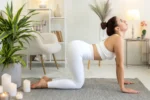
The Cat–Cow stretch is a dynamic yoga movement that gently alternates between arching and rounding the spine. Known as Marjaryasana–Bitilasana in traditional yoga practice, this movement helps release tension from the back and shoulders while improving spinal flexibility.
As the body moves through the sequence, breathing becomes slow and rhythmic. This connection between breath and movement encourages mindfulness and helps shift attention away from stressful thoughts.
The flowing motion of Cat–Cow can feel almost meditative. With each inhale and exhale, the body loosens tight muscles while the mind becomes more focused and present. Practicing this movement regularly can help improve posture, relieve stiffness, and promote mental clarity.
Seated Forward Bend – A Calming Pose That Encourages Introspection
Seated Forward Bend, known as Paschimottanasana, is a pose that gently stretches the entire back of the body while encouraging the mind to turn inward. When performed slowly with controlled breathing, this posture creates a deeply calming effect on the nervous system.
The forward-folding motion encourages relaxation and introspection. As the body bends forward, the mind often becomes quieter, allowing thoughts to settle naturally. This makes the pose particularly helpful for people experiencing mental fatigue or emotional stress.
Practicing Seated Forward Bend also improves flexibility in the hamstrings and lower back. Over time, this pose can help the body release tension that accumulates from long hours of sitting or working at a desk.
Benefits of Practicing Yoga for Stress Relief
Yoga offers numerous benefits for both mental and physical health. One of its greatest advantages is its ability to activate the body’s natural relaxation response. When the body enters this state, heart rate slows down, breathing becomes deeper, and the mind begins to feel calmer.
Regular yoga practice can also improve sleep quality, boost concentration, and reduce symptoms of anxiety. Unlike many quick stress-relief techniques, yoga addresses both the physical and mental aspects of tension, making it a holistic approach to well-being.
Another benefit of yoga is that it requires very little equipment and can be practiced almost anywhere. Even a short daily routine can help create lasting improvements in mood and overall mental balance.
Conclusion
Stress may be unavoidable in modern life, but the way we respond to it can make a huge difference. Yoga provides a natural and effective path toward calmness, helping the mind slow down while gently restoring balance to the body.
Practicing poses such as Child’s Pose, Legs Up the Wall, Cat–Cow, and Seated Forward Bend can help release tension, quiet racing thoughts, and promote deep relaxation. With regular practice, these simple yet powerful postures can transform moments of stress into opportunities for stillness, mindfulness, and inner peace.
Yoga Poses for Stress Relief – Quick Summary
| Yoga Pose | Primary Benefit | Best Time to Practice |
|---|---|---|
| Child’s Pose (Balasana) | Deep relaxation and stress reduction | Anytime during yoga |
| Legs Up the Wall (Viparita Karani) | Improves circulation and calms mind | Evening or after work |
| Cat–Cow Stretch | Releases tension and improves flexibility | Morning or warm-up |
| Seated Forward Bend | Encourages mental calm and focus | End of yoga session |
1. How long should I practice yoga poses for stress relief?
Practicing each pose for 3–5 minutes can provide noticeable relaxation benefits.
2. Can beginners practice these yoga poses?
Yes, these poses are beginner-friendly and can be modified according to comfort.
3. Is yoga effective for reducing anxiety and stress?
Regular yoga practice can help calm the nervous system and reduce stress naturally.
4. When is the best time to practice yoga for mental calm?
Early morning or evening is often ideal, but yoga can be practiced anytime you need relaxation.